Zambia Mining and Investment Insaka (ZAMII) 2026
The 2026 Zambia Mining and Investment Insaka (ZAMII) is a platform that brings together government leaders, mining companies, investors, and local communities to discuss the future of mining in Zambia and Africa. Under the theme ?Transforming Africa?
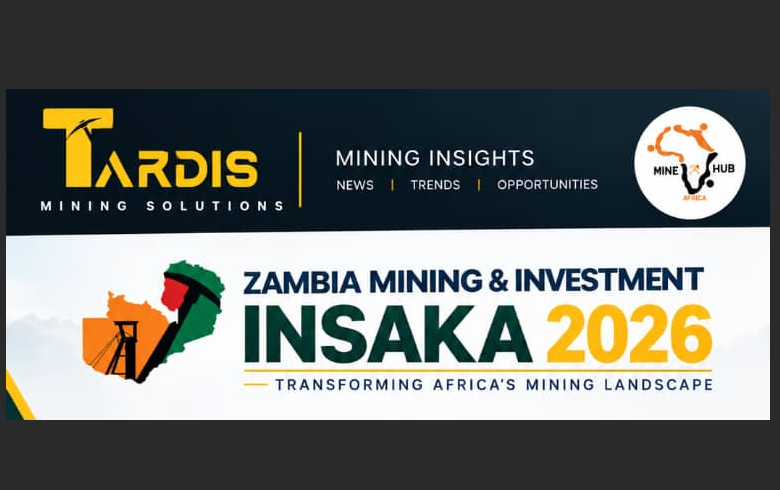
The Zambia Mining and Investment Insaka (ZAMII) 2026 is an important gathering aimed at promoting investment, strengthening partnerships and encouraging sustainable growth in Zambia?s mining sector. The event brings together government officials, mining companies, investors, industry experts and other stakeholders to discuss opportunities and challenges affecting the mining industry.
The 2026 Insaka will take place from 19 to 23 October 2026 at the Mulungushi International Conference Centre in Lusaka, Zambia. It is organised around the theme, ?Transforming Africa?s Mining Landscape: Regional Value Chains, Shared Prosperity & Empowering Communities.? This theme highlights the need for African countries to gain greater economic benefits from their mineral resources through investment, local processing, regional cooperation and community participation.
The Purpose of the Mining Insaka
The main purpose of the Mining Insaka is to provide a platform where stakeholders can exchange ideas, discuss challenges and identify practical solutions for improving the mining industry. Zambia has significant mineral resources, particularly copper, as well as other minerals that contribute to economic development.
Through this gathering, participants are encouraged to explore ways of attracting investment, improving mining operations, strengthening regulations and ensuring that mineral wealth contributes to national development. The event also provides an opportunity for government and industry representatives to discuss policies that can make the mining sector more competitive, transparent and beneficial to the country.
According to the Ministry of Mines and Minerals Development, the Insaka is intended to help stakeholders reflect on the successes and challenges of the mining industry and identify ways of maximising the benefits derived from mineral resources.
Promoting Mineral Value Addition and Regional Value Chains
One of the key issues highlighted by the 2026 theme is mineral value addition. Value addition involves processing minerals into more valuable products instead of exporting them mainly in their raw or minimally processed form.
For example, Zambia can benefit from expanding its copper-processing capacity and supporting the production of copper products used in electrical equipment, renewable energy systems and other industrial applications. This can create additional business opportunities, develop technical skills and increase the economic value generated within the country.
Regional value chains are also important because African countries can work together in mineral processing, manufacturing, transport, technology and trade. Cooperation between countries can help build stronger industries, improve access to markets and reduce dependence on exporting unprocessed raw materials.
The Insaka provides an opportunity for stakeholders to discuss how regional partnerships can strengthen Africa?s position in the global mining industry.
Attracting Investment and Creating Employment
Investment is essential for expanding mining operations, developing new mineral projects and improving existing infrastructure. Through the Mining Insaka, Zambia seeks to strengthen its position as an attractive destination for local and international investors.
Investments in exploration, modern mining equipment, processing facilities, energy and transport infrastructure can support increased production and improve operational efficiency. They can also create employment opportunities for engineers, geologists, technicians, environmental specialists and other professionals.
In addition, a growing mining sector can generate opportunities for small and medium-sized enterprises that provide goods and services to mining companies. These businesses may operate in areas such as transportation, construction, catering, maintenance, equipment supply and professional services.
However, sustainable investment requires a stable regulatory environment, transparent licensing procedures, responsible business practices and cooperation between government and industry.
Supporting Local Businesses and Community Participation
Another important focus of the Insaka is ensuring that local communities and Zambian businesses benefit directly from mining activities. Mining should not only generate revenue for companies and government; it should also create opportunities for citizens, local suppliers and communities living near mining operations.
Local content policies are intended to encourage mining companies to purchase more goods and services from Zambian businesses and employ local workers where possible. Zambia's Local Content Regulations, under Statutory Instrument No. 68 of 2025, took effect on 1 January 2026 and establish requirements intended to increase local participation in the mining supply chain.
The Insaka offers an opportunity to discuss how these measures can be implemented effectively, helping local businesses become more competitive and enabling communities to participate more meaningfully in the country's mining economy.
Community empowerment also involves investing in education, healthcare, skills training, infrastructure and other social services. When mining companies work closely with local communities, they can help support long-term development and improve living standards beyond the lifespan of individual mining projects.
Environmental Protection and Sustainable Mining
Although mining contributes significantly to economic development, it can also create environmental and social challenges. These include land degradation, water pollution, waste generation, deforestation and the displacement of communities.
Sustainable mining requires companies to adopt responsible practices that reduce environmental damage while protecting workers and surrounding communities. Effective environmental monitoring, responsible waste management, land rehabilitation and compliance with environmental regulations are important components of this process.
Modern technology can help mining companies improve resource efficiency, reduce waste and enhance workplace safety. The use of cleaner energy, water conservation systems and improved mineral-processing technologies can also support more sustainable operations.
The Insaka provides a platform for discussing how Zambia and other African countries can balance the economic benefits of mining with environmental protection and the needs of future generations.
Technology, Innovation and Skills Development
Technological advancement is increasingly important in the global mining industry. Automation, digital monitoring, geological data analysis and modern processing methods can improve productivity, safety and decision-making.
For Zambia to benefit from these developments, investment in education, technical training and research is essential. Universities, technical colleges, mining companies and government institutions can collaborate to equip young people with the skills required by a modern mining industry.
The development of local expertise can reduce reliance on imported specialised services and create opportunities for Zambian professionals to participate in higher-value activities across the mining supply chain.
The Insaka is expected to provide opportunities for participants to explore innovative technologies, share industry knowledge and build partnerships that can support skills development and technological progress.
Networking and Business Opportunities
The Mining Insaka is also an important opportunity for networking and establishing business relationships. It brings together stakeholders with different areas of expertise, including investors, mining companies, government agencies, service providers and community representatives.
These interactions can help participants identify potential investment opportunities, establish partnerships, exchange knowledge and explore new markets. Exhibitions also provide businesses with an opportunity to showcase their products, technologies and services to potential customers and investors.
For small businesses and emerging mining suppliers, participation can help them understand industry requirements and identify ways to enter the mining supply chain. For investors, the event provides an opportunity to learn more about Zambia's mining environment and explore possible areas of collaboration.
The Ministry's official Insaka website highlights industry engagement, technological innovation and networking as important reasons to participate in the event.
Challenges Facing the Mining Sector
Despite its opportunities, the mining industry faces several challenges that require coordinated action. These may include the high cost of investment, energy supply constraints, infrastructure requirements, skills shortages, environmental concerns and the need for effective regulation.
Another challenge is ensuring that the benefits of mining are distributed fairly. Increased mineral production does not automatically translate into better living standards for all citizens. The economic benefits depend partly on job creation, local procurement, taxation, investment in communities and the development of industries linked to mining.
The Insaka provides an opportunity for stakeholders to discuss these issues and identify practical measures for addressing them. Collaboration between government, mining companies, investors, local businesses and communities will be important in turning policy objectives into measurable results.
Expected Outcomes of the 2026 Insaka
As preparations continue for the 2026 event, the Insaka is intended to encourage dialogue and cooperation around the future of mining in Zambia and Africa. Its central theme places particular emphasis on strengthening regional value chains, promoting shared prosperity and empowering communities.
Potential areas of progress include stronger investor relationships, improved cooperation between African mining economies, increased participation by local suppliers, greater attention to sustainable mining practices and the development of strategies for expanding mineral processing.
The event's ultimate value will depend on the actions that follow the discussions. Commitments made by stakeholders will need to be translated into policies, investments, partnerships and projects that deliver tangible benefits to the mining industry and the wider population.
Conclusion
The Zambia Mining and Investment Insaka 2026 represents an important opportunity to consider how mineral resources can contribute more effectively to Zambia's economic development and Africa's industrial growth.
Under the theme ?Transforming Africa?s Mining Landscape: Regional Value Chains, Shared Prosperity & Empowering Communities,? the event emphasises the importance of moving beyond mineral extraction towards a more integrated, inclusive and sustainable mining industry.
By encouraging investment, promoting mineral value addition, supporting local businesses, strengthening regional cooperation and empowering communities, the Insaka can contribute to building a mining sector that creates employment, develops local expertise and generates long-term economic opportunities.
Ultimately, the success of the 2026 Insaka will depend not only on the discussions held during the five-day gathering but also on the implementation of practical solutions that ensure Zambia's mineral wealth benefits its people and contributes to a more prosperous future.
Sources for further reading
Ministry of Mines and Minerals Development ? Zambia Mining and Investment Insaka 2026
ZNBC ? Mining companies urged to comply with local content law
Ministry of Mines and Minerals Development ? Official website
Editorial note: This article is written ahead of the 2026 event. It describes the Insaka's announced objectives and expected areas of discussion, rather than presenting its outcomes as established facts.
Check publication dates and original sources when using market or policy information.
Explore mining projects →